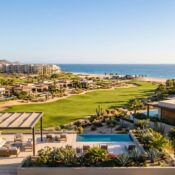

Baja California Sur: Surf Tourism and the Coastal Real Estate Boom
Quick Answer
This guide helps buyers compare the location, daily lifestyle, amenities and property considerations covered in Baja California Sur: Surf Tourism and the Coastal Real Estate Boom. Its geographic focus is East Cape, Baja California Sur. Explore East Cape real estate.
Article Menu — Explore This Guide
The orange sunrise over the Pacific, the sound of the ocean, and surfers waiting for the next set at Cerritos Beach, together with breaks such as San Pedrito and Nine Palms, have become defining images of Baja California Sur (BCS).
But the region’s surf culture is evolving beyond recreation.
Over the past decade, surf tourism has increasingly connected with a broader coastal lifestyle economy—bringing international visitors, longer stays, new businesses and growing interest in coastal real estate.
BCS is no longer known only for fishing and traditional beach tourism. It is increasingly recognized as a destination where surfing, wellness, nature and residential investment intersect.
From Underground Surf Town to Coastal Investment Market
The transformation has been gradual.
Surf schools, cafés and small accommodations initially developed around established surf communities. Over time, professional athletes, experienced surfers and international visitors began staying for longer periods, often traveling with families, working remotely or spending entire seasons in Baja California Sur.
That shift changes the economic profile of a destination.
A visitor staying for several weeks or months generates a different pattern of demand than a traditional short-term tourist—creating opportunities for restaurants, wellness businesses, surf services, retail, accommodations and residential real estate.
The Numbers Behind the Surf Economy
The article’s source material estimates that:
- 80,000 to 100,000 international surfers visit BCS annually.
- The average surf traveler stays approximately 10 to 14 days.
- Estimated daily spending is approximately $150 to $300 USD.
These figures should be treated as estimates unless supported by a formal tourism or economic-impact study.
Their significance, however, is clear: longer-stay visitors can generate demand across a much wider local economy than surfing itself.
How Surf Tourism Is Driving Coastal Real Estate
The impact increasingly extends beyond tourism.
Communities such as El Pescadero, Cerritos and the East Cape are attracting interest in oceanfront land, eco-oriented homes and boutique residential developments located near established surf areas.
The source material estimates that U.S. surf-focused buyers invest approximately $50 million to $70 million annually in coastal real estate acquisitions across Baja California Sur.
If this figure represents a brokerage or industry estimate, its methodology and geographic scope should be clearly identified.
The underlying trend is particularly important for real estate: visitors who once arrived for short surf trips are increasingly considering longer stays and, in some cases, relocation.
“Buyers aren’t just coming for weekend surf anymore—they’re relocating for 3, 6, or 12 months at a time.”
That type of demand can influence housing, dining, education, wellness, cultural programming and higher-end coastal services.
The Three Surf-Real Estate Hubs Redefining BCS
1. Todos Santos and El Pescadero
The Todos Santos–El Pescadero corridor has become one of the most recognizable surf-oriented lifestyle areas in BCS.
Its combination of agriculture, established surf culture, sustainability and design-oriented development has created a distinctive residential environment.
The source material reports annual appreciation of coastal properties near surf zones of up to 20%. This figure should be verified and clearly defined before being used as an investment-performance statistic.
2. East Cape
The East Cape offers a different model.
The region is associated with privacy, oceanfront living, low-density development and projects designed around the relationship between desert and sea.
For buyers interested in sustainability, space and a more remote coastal lifestyle, the area represents a distinct alternative to the resort-oriented markets of Los Cabos.
3. Los Cabos
Los Cabos brings the surf lifestyle into a more developed luxury environment.
Breaks such as Zippers and Monuments sit within a market characterized by established tourism infrastructure, international connectivity, luxury hospitality and high-end services.
That combination creates a different investment proposition: surf access combined with the amenities and services of an internationally established destination.
Surf Events and Global Exposure
Major surf competitions and cultural events have also contributed to the region’s visibility.
| Event | Location | Season |
|---|---|---|
| Los Cabos Open of Surf | Playa Zippers | June |
| Surf Open Cerritos | Cerritos | November |
| Surf + Music Festivals | Pescadero / Cerritos | Late November–Early December |
The source material indicates that organizers report measurable economic impact and international exposure from these events.
Before publication, current event names, dates, sanctioning status and economic-impact figures should be verified for the relevant year.
More Than Surfing: A Broader Coastal Economy
Surf tourism increasingly supports a wider ecosystem of businesses and services, including:
- Specialty coffee shops.
- Restaurants and culinary concepts.
- Surf schools and board rentals.
- Art galleries.
- Organic markets.
- Wellness studios.
- Bars and hospitality businesses.
- Sustainable architecture.
- Long-term residential communities.
This matters for real estate because a successful lifestyle destination depends on more than its natural attraction.
It needs services, infrastructure and an ecosystem capable of supporting people who want to stay longer.
The Challenge: Growth Without Losing the Coast
The same natural environment driving the region’s popularity is also its most important asset to protect.
Rapid coastal development can place pressure on:
- Beaches.
- Dunes.
- Mangroves.
- Water resources.
- Coastal ecosystems.
- Ocean environments.
For Baja California Sur, the long-term challenge is therefore not simply how to attract more visitors or investment.
It is how to grow without compromising the environmental characteristics that created the demand in the first place.
What the Surf Boom Could Mean for Real Estate
The connection between surfing and real estate is ultimately about lifestyle.
A visitor who falls in love with a surf destination may eventually become:
visitor → repeat visitor → long-term renter → property buyer → resident
That progression can create a more durable economic impact than traditional tourism alone.
For investors, however, surf proximity should not be treated as a guarantee of appreciation or rental performance.
Property selection still depends on:
- Location.
- Acquisition price.
- Legal status.
- Development quality.
- Infrastructure.
- Rental regulations.
- Operating costs.
- Water availability.
- Environmental considerations.
- Long-term demand.
2026 Outlook
Baja California Sur has reached an important point in its evolution.
Surfing is no longer simply a recreational activity associated with a handful of remote coastal communities. It is increasingly part of a broader lifestyle economy connecting tourism, hospitality, wellness, residential development and international investment.
The opportunity is significant—but so is the responsibility.
If development is guided by thoughtful planning, environmental stewardship and sustainable coastal management, Baja California Sur has the potential to become an important global model for surf tourism and eco-conscious coastal real estate.
The wave has arrived. The challenge now is making sure the coast remains strong enough to carry it for generations.
Recent Posts

Selling Your Property in Los Cabos or La Paz: The CENTURY 21 Legendary Realty Seller’s Guide